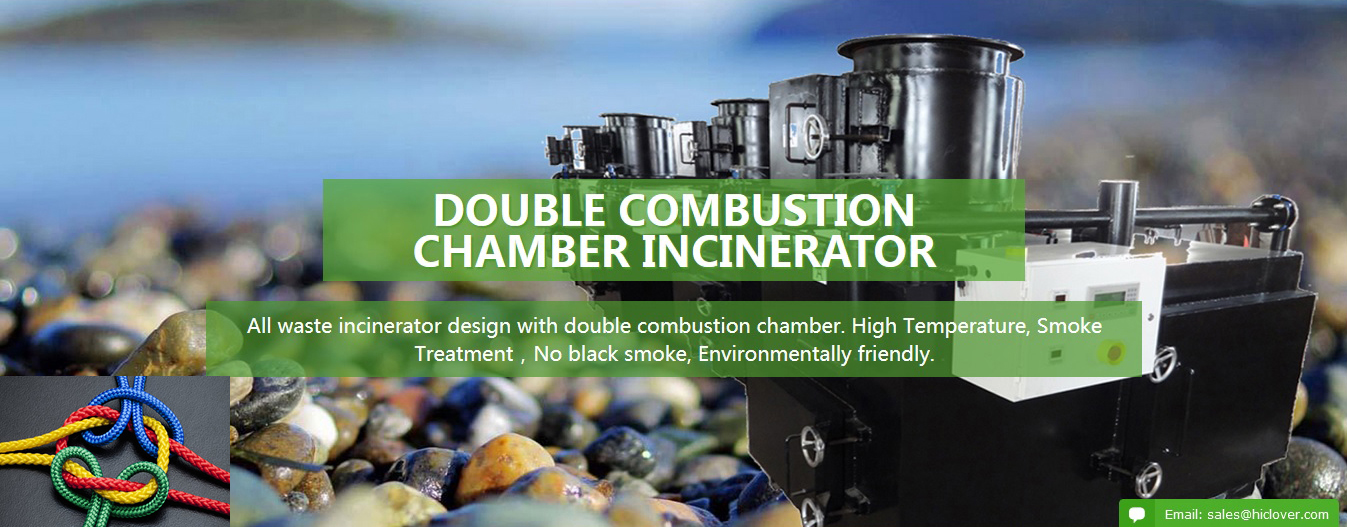
Clean and Lean: How High-Efficiency Incinerators are Revolutionizing Waste Management
High-efficiency incinerators are revolutionizing waste management by offering a cleaner, leaner, and more sustainable solution for waste disposal. Traditionally, waste incineration has been associated with environmental concerns due to the emission of harmful pollutants. However, modern high-efficiency incinerators are designed with advanced technologies that drastically reduce emissions, making them significantly cleaner and leaner alternatives to conventional incinerators.
Benefits of High-Efficiency Incinerators:
- Reduced Emissions: High-efficiency incinerators incorporate state-of-the-art pollution control devices such as electrostatic precipitators (ESPs) and scrubbers, which capture and remove a vast majority of particulate matter, heavy metals, and other harmful pollutants. These devices significantly reduce the environmental impact of incineration.
- Improved Waste Disposal: High-efficiency incinerators enable the efficient and safe disposal of a wide range of waste materials, including municipal solid waste, industrial waste, and agricultural residue. They reduce the volume of waste that needs to be landfilled, thereby extending the lifespan of landfills and reducing methane emissions.
- Energy Generation: Modern high-efficiency incinerators are designed to produce heat and electricity, generating clean energy in the process. The heat generated by incineration is used to produce steam, which can be utilized for heating buildings or powering turbines. This reduces the reliance on fossil fuels and promotes energy efficiency.
- Environmental Benefits: By reducing emissions and improving waste disposal, high-efficiency incinerators contribute significantly to environmental sustainability. They help mitigate climate change, reduce air pollution, and protect ecosystems, benefiting communities and ecosystems alike.
Challenges Associated with High-Efficiency Incinerators:
- Capital Costs: High-efficiency incinerators require significant capital investment compared to traditional incinerators. However, the long-term savings in operational costs and environmental benefits often outweigh the initial investment.
- Technical Expertise: High-efficiency incinerators require specialized operation and maintenance techniques. Trained professionals are necessary to ensure proper functioning and optimal performance.
- Waste Composition: The efficiency of high-efficiency incinerators depends on the composition of the waste being incinerated. Certain waste materials may require additional treatment or preprocessing to ensure efficient incineration.
FAQs:
Q: What are the main environmental benefits of high-efficiency incinerators?
A: High-efficiency incinerators significantly reduce emissions, improve waste disposal, and generate clean energy. They help mitigate climate change, reduce air pollution, and protect ecosystems.
Q: What types of waste can be incinerated in high-efficiency incinerators?
A: High-efficiency incinerators can incinerate a wide range of waste materials, including municipal solid waste, industrial waste, and agricultural residue.
Q: What are the challenges associated with high-efficiency incinerators?
A: High-efficiency incinerators have higher capital costs and require specialized operation and maintenance. Waste composition can also affect their efficiency.
Q: Are high-efficiency incinerators environmentally friendly?
A: Yes, high-efficiency incinerators are designed with advanced pollution control devices and are significantly cleaner than traditional incinerators.
Comments are closed