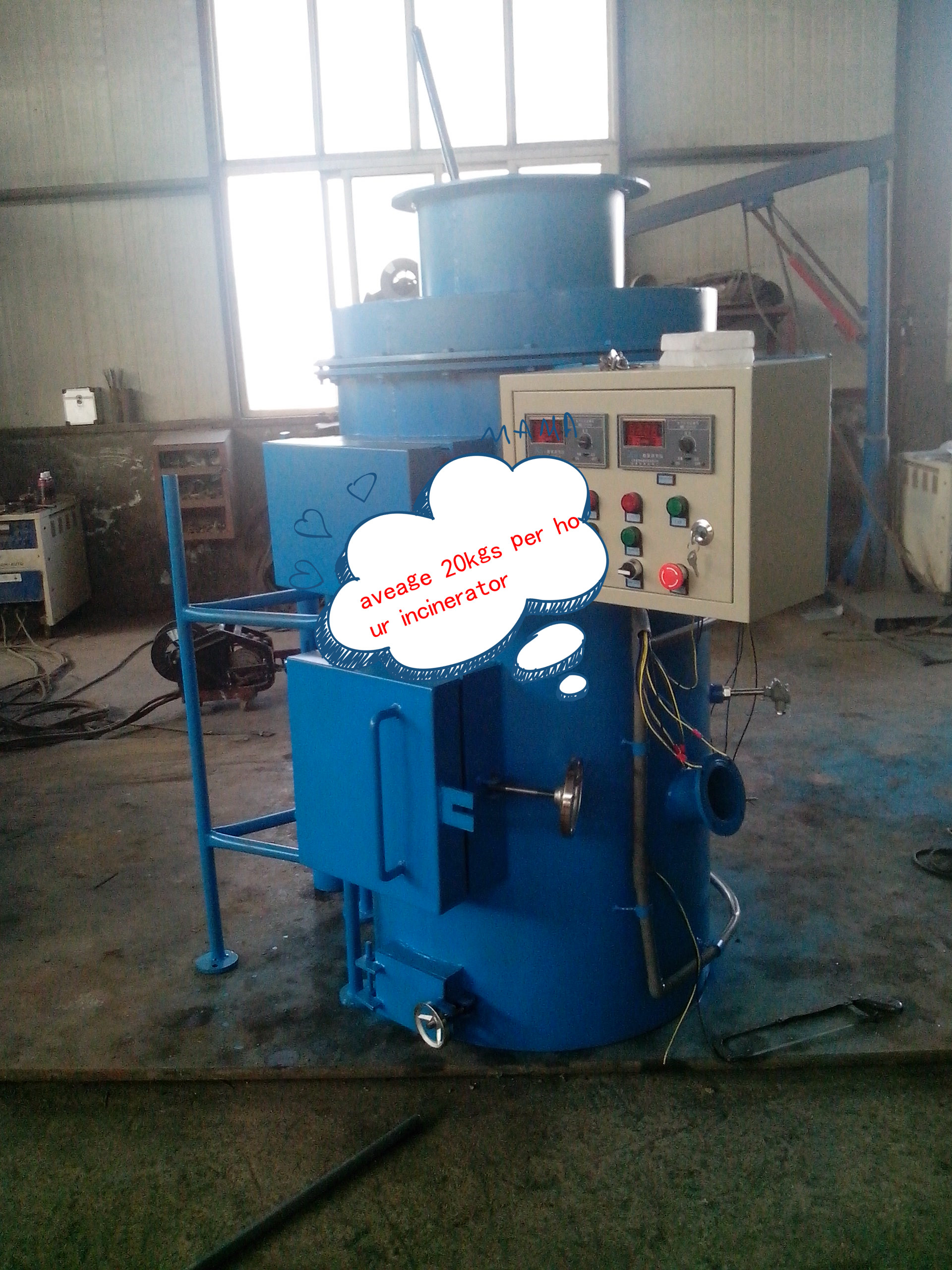
The Guinea-Bissau Incinerator: An Environmental Gamble
Guinea-Bissau’s burgeoning capital, Bissau, suffers from severe sanitation challenges, largely due to limited infrastructure and waste management capacity. In a desperate attempt to address these issues, the government has implemented a controversial plan: the construction of a massive incinerator in the city’s outskirts. This project has been met with both fervent support and fierce opposition, raising complex questions surrounding its environmental, economic, and social implications.
Arguments for the Incinerator:
- Waste reduction: Proponents claim that the incinerator will significantly reduce the volume of solid waste, minimizing landfill space and controlling pollution.
- Energy generation: By extracting energy from the burnt waste, the plant will generate electricity, contributing to the already strained power grid.
- Job creation: The project promises to create new job opportunities in a nation plagued by high unemployment.
Arguments against the Incinerator:
- Health concerns: Environmentalists raise concerns about air pollution, potential health risks associated with toxic emissions and the plant’s proximity to densely populated neighborhoods.
- Economic concerns: Critics point to the exorbitant cost of the project, questioning its financial viability.
- Technological concerns: The chosen incineration technology is unfamiliar in Africa, raising concerns about its efficacy and safety.
Social Impact:
The proposed incinerator stands to impact the social landscape of Bissau. Those living closest to the plant fear displacement and exposure to health hazards. Many questions remain unanswered regarding public participation in the process, potential benefit-sharing, and community engagement strategies.
Key Issues:
- The environmental and health consequences of incinerator emissions.
- The economic justification and cost-effectiveness of the project.
- The suitability of the chosen incineration technology in the context of Guinea-Bissau.
- The social impact of the project on nearby communities.
- The sustainability of the project in the long run.
FAQs:
1. What is the primary purpose of the incinerator?
The stated objective is to reduce waste, generate energy, and create job opportunities.
2. What are the potential environmental risks associated with the incinerator?
The project’s emissions could pollute the air, affecting air quality in Bissau.
3. What are the estimated costs of the incinerator?
The total cost of the project has not been officially disclosed.
4. How will the incinerator impact local communities?
The project may displace residents and expose them to health risks, depending on its operating procedures and emissions controls.
5. Is public participation in the project being adequately addressed?
Transparency and community involvement remain questionable, raising concerns about equitable decision-making.
Comments are closed