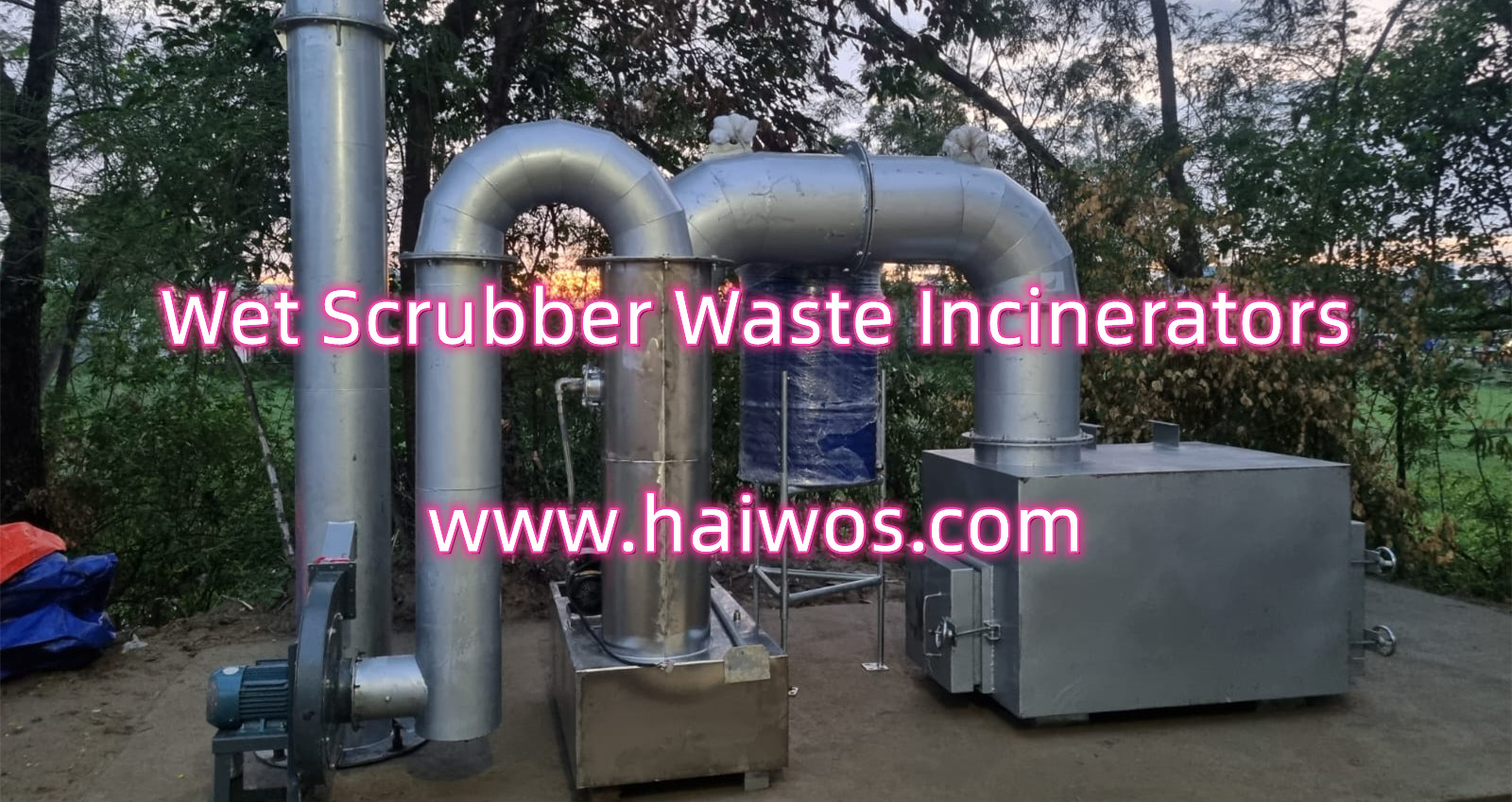
A Sustainable Solution for Animal Waste: How Incinerators are Protecting the Environment in Mauritania
A growing concern in modern agriculture is the management of animal waste, which poses significant environmental and public health risks. In Mauritania, incinerators have emerged as a sustainable solution to this challenge, offering environmental protection alongside operational efficiency.
The traditional methods of animal waste disposal in Mauritania, such as open dumping and landfilling, create severe environmental problems. These practices release methane, a potent greenhouse gas, and leach harmful contaminants into water resources. Incineration offers a sustainable solution by:
- Reducing environmental impact: Incineration eliminates pathogens, reduces organic matter, and minimizes nutrient enrichment in soil and water.
- Controlling disease outbreaks: By eliminating pathogens, the risk of disease transmission from animal waste to humans is effectively minimized.
- Generating energy: Modern incinerators harness the heat generated during the process to produce energy, which can be used to heat farms, generate electricity, or power other equipment.
Mauritania has witnessed significant adoption of animal waste incinerators in recent years, driven by government initiatives and private investments. These incinerators have demonstrated remarkable environmental benefits:
- Air pollution reduction: Incineration effectively reduces air pollution by controlling methane emissions and other harmful pollutants.
- Water resource protection: By eliminating the leaching of contaminants, water resources are preserved from pollution.
- Land preservation: Incineration eliminates the need for landfills, which conserve valuable land resources.
Challenges and Opportunities
Although incinerators offer significant advantages, certain challenges exist:
- Initial investment: The cost of installing and maintaining incinerators can be relatively high.
- Public awareness: Increased public understanding and awareness are required for effective adoption.
Future Prospects
With ongoing technological advancements and government support, animal waste incineration is poised to become a widespread and sustainable solution in Mauritania. By addressing the challenges through innovative technologies and policy frameworks, the agricultural sector can achieve environmental responsibility while maximizing resource utilization.
FAQs
1. What are the environmental advantages of animal waste incineration?
Incineration reduces air pollution, controls disease outbreaks, and minimizes nutrient enrichment in water resources.
2. How does incineration generate energy?
Modern incinerators harness the heat generated during the process to produce energy.
3. What are the main challenges associated with animal waste incineration?
The initial investment and public awareness are key challenges.
4. What is the future outlook for animal waste incineration in Mauritania?
With technological advancements and government support, the practice is expected to become more widely adopted in the future.
Comments are closed